

The world of Forex exchange trading offers vast opportunities for profit, but it also presents significant risks. Mastering this market requires a profound understanding of various strategies, market dynamics, and risk management techniques. For more detailed insights, you can visit forex exchange trading trading-terminal.com. In this article, we will delve into the intricacies of Forex trading, explore effective strategies, and provide key tips for success.
Understanding the Forex Market
The Forex market is one of the largest and most liquid financial markets in the world, trading over $6 trillion daily. It operates 24 hours a day, five days a week, allowing traders to engage with currency pairs from different regions globally. The key players include banks, financial institutions, corporations, and individual traders. Understanding how currency pairs are quoted and the factors that influence exchange rates is crucial for any trader looking to make informed decisions.
The Basics of Forex Trading
In Forex trading, currencies are quoted in pairs, such as EUR/USD or USD/JPY. The first currency is the base currency, and the second is the quote currency. Traders buy a currency pair expecting the base currency will strengthen against the quote currency or sell when they anticipate a decline. Each currency pair behaves differently based on economic indicators, geopolitical stability, interest rates, and market sentiment.
Choosing a Trading Strategy
Traders can adopt various strategies depending on their trading style and goals. Here are some popular approaches:
- Day Trading: This strategy involves opening and closing trades within the same trading day. Day traders capitalize on small price fluctuations using technical analysis.
- Swing Trading: Swing traders aim to capture price moves over several days or weeks. This approach requires understanding market trends and technical indicators.
- Scalping: Scalpers make numerous trades aiming to profit from small price changes. This strategy demands quick decision-making and can be very intensive.
- Position Trading: This long-term strategy involves holding onto trades for weeks, months, or even years, often relying on fundamental analysis.
Risk Management in Forex Trading
Effective risk management is vital in Forex trading. Traders must determine how much of their capital they are willing to risk on a single trade. A common rule is to risk no more than 1% to 2% of your trading capital on any one trade. Implementing stop-loss orders, taking profits, and using proper position sizing can protect against substantial losses and help sustain long-term trading success.
Utilizing Technical Analysis
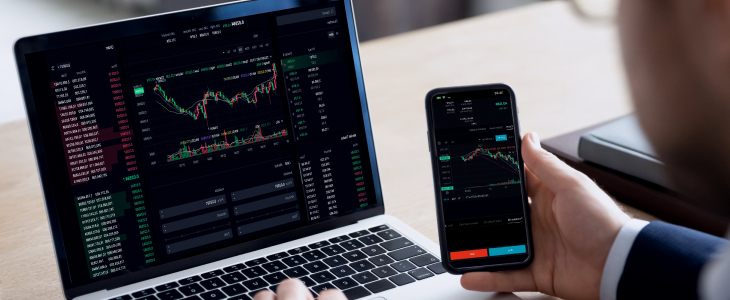
Technical analysis plays a crucial role in Forex trading. Traders use various tools and indicators to analyze price movements, such as:
- Moving Averages: These indicators help smoothen price action and identify trends.
- Relative Strength Index (RSI): This momentum oscillator measures the speed and change of price movements, indicating overbought or oversold conditions.
- Bollinger Bands: This tool consists of a moving average and two standard deviations, indicating volatility and potential price reversals.
- Fibonacci Retracement: Traders use this technique to identify potential reversal levels with historical price movements.
Fundamental Analysis in Forex Trading
While technical analysis provides insights based on price movements, fundamental analysis focuses on the underlying economic factors that affect currency values. Key indicators include Gross Domestic Product (GDP), employment rates, interest rates, and inflation. Traders must stay updated with economic news and reports that can impact currency pairs significantly.
The Importance of Psychology in Trading
Trading psychology is a critical yet often overlooked aspect of Forex trading. Emotions such as fear and greed can drive traders to make impulsive decisions contrary to their strategies. It is essential to maintain discipline, stick to trading plans, and remain detached from the emotional highs and lows of trading. Journaling trades can help track progress and improve emotional responses.
Choosing the Right Broker
Selecting a reputable Forex broker is fundamental to successful trading. Traders should consider factors such as regulatory compliance, trading platforms, spreads, leverage, and customer support. Reading reviews and doing thorough research can help traders find a broker that fits their trading style and goals.
Continuous Learning and Adaptation
The Forex market is constantly evolving, influenced by global economic and political changes. Successful traders commit to lifelong learning by studying market trends, reading trading books, attending webinars, and participating in trading communities. Keeping abreast of industry developments can provide a competitive edge and enhance trading performance.
Conclusion
Forex exchange trading holds potential for substantial profits, but it requires dedication, strategic thinking, and disciplined risk management. By understanding the intricacies of the market, employing various trading strategies, and maintaining a keen focus on psychology and continuous education, traders can position themselves for success in this dynamic environment. Aspiring Forex traders should start with a demo account, practice their strategies, and gradually transition into live trading for the best experience.
