
The Forex Trading Business: Navigating the Global Currency Market
The Forex trading business presents a myriad of opportunities for traders willing to invest time and effort in understanding the complexities of the global currency market. Engaging with forex trading business Indian Trading Platforms can be an excellent way to access various trading tools and resources that enhance your trading experience. As the largest financial market in the world, Forex trading boasts a daily trading volume exceeding $6 trillion, making it a prime arena for both novice and seasoned traders.
Understanding Forex Trading
Forex, or foreign exchange, refers to the global marketplace for trading national currencies against one another. This decentralized market is open 24 hours a day, five days a week, allowing traders to buy and sell currencies at any time. The Forex market operates on the principle of currency pairs; for example, the EUR/USD pair represents the euro against the US dollar. Trading in this market involves speculating on the price movements of these currency pairs. The ability to leverage small market movements lends itself well to both day traders and long-term investors.
Getting Started in Forex Trading
If you’re new to the Forex trading business, the first step is to understand key concepts such as pips, lots, and leverage. A pip, or percentage in point, is a unit of measurement for currency movement, while lots refer to the size of a trade. Leverage allows traders to control a larger position with a smaller amount of capital, amplifying both potential gains and risks. Understanding these fundamentals can significantly improve your trading skills.
Choosing a Forex Trading Platform
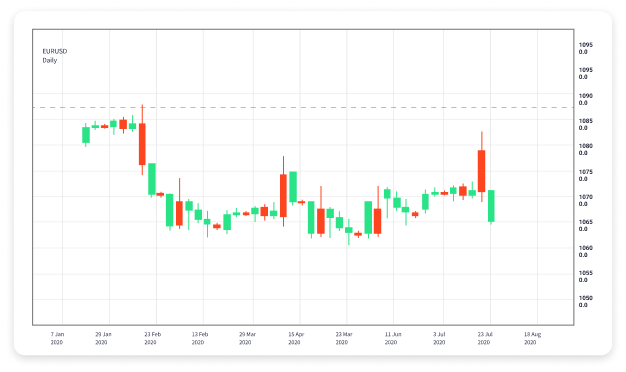
The selection of a reliable Forex trading platform is critical to your success. The right platform provides essential tools, real-time data, and user-friendly interfaces that accommodate your trading style. Features to look for include ease of use, available currency pairs, charts, and indicators to enhance technical analysis. Additionally, ensure the platform is compliant with regulatory standards to guarantee a secure trading environment.
Developing a Trading Strategy
Your trading strategy is a crucial element of Forex trading success. A trading strategy should incorporate your goals, risk tolerance, and time horizon. There are various approaches, including fundamental analysis, technical analysis, and sentiment analysis. Fundamental analysis focuses on economic indicators, interest rates, and geopolitical events. In contrast, technical analysis relies on historical price data and chart patterns to predict future movements. A sound strategic approach can guide your trading decisions and help mitigate risks.
Managing Risk in Forex Trading
Risk management is a vital aspect of trading in the Forex market. Implementing measures such as setting stop-loss orders, diversifying your portfolio, and only risking a small percentage of your capital per trade can help safeguard your investments. Moreover, understanding your psychological tendencies and emotional responses to market fluctuations can prevent impulsive decisions that often lead to losses. Consistent risk management practices contribute to long-term sustainability in the Forex trading business.
Using Technical Analysis in Forex Trading
Technical analysis is a popular method among Forex traders and involves the study of past market data to forecast future price movements. Traders utilize various tools, such as moving averages, trend lines, and momentum indicators, to identify patterns and trends. By analyzing charts and technical indicators, traders can make informed decisions about entry and exit points.
Leveraging Fundamental Analysis

Unlike technical analysis, which relies solely on price data, fundamental analysis looks at the economic factors that influence currency values. Economic indicators such as GDP growth rates, inflation, and employment statistics can impact currency movements, and thus, traders analyze these metrics to gauge the strength of a country’s economy. Staying updated on news releases and macroeconomic events is essential for successful fundamental analysis in Forex trading.
Common Mistakes to Avoid
As with any business, the Forex trading landscape is fraught with pitfalls. New traders often make common mistakes such as over-leveraging their investments, failing to implement proper risk management strategies, and letting emotions dictate their trading decisions. By recognizing and avoiding these mistakes, traders can enhance their chances of success.
Emotions and Psychology in Forex Trading
The psychological aspect of trading can greatly influence decision-making. Emotions like fear and greed can lead to impulsive trades, resulting in significant losses. Successful traders develop a disciplined mindset, sticking to their trading plans and strategies even in the face of market volatility. Understanding the psychological nuances of trading can help mitigate emotional influences over time.
Continuing Education and Adaptability
To thrive in the Forex trading business, continual learning is imperative. The Forex market is dynamic, and strategies that may have worked in the past may become obsolete with shifting market conditions. Staying updated on market trends, economic developments, and trading techniques is essential. Numerous resources, including online courses, webinars, and trading communities, are available to enhance your trading knowledge.
Conclusion
The Forex trading business offers ample opportunities for individuals willing to invest time in understanding the market. By selecting the right trading platform, developing a robust trading strategy, managing risk, and committing to lifelong learning, traders can navigate the complexities of the currency market successfully. Remember, success in Forex trading is not guaranteed, but with the right approach, tools, and mindset, you can enhance your prospects in this exciting and dynamic business.
